Sovvenzioni
Biodiversità
Gli Orti Didattici
5.000 € aggiudicati
Statoin corso
Durata del progetto: 10/2025 – 10/2026
Beneficiario Faremo Foresta
Luogo: Firenze, Grosseto e Isola d'Elba
La sfida
Viviamo in un'epoca segnata da una crescente disconnessione tra le persone e il mondo naturale. In Toscana, il crescente consumo e degrado del suolo stanno riducendo la biodiversità e indebolendo i microclimi locali. Le aree scolastiche e gli spazi urbani spesso subiscono un uso intensivo del suolo, con conseguente grave dispersione idrica e scomparsa degli alberi autoctoni. Inoltre, le aree riforestate in fase iniziale affrontano sfide pratiche sul campo: sono vulnerabili alla crescita incontrollata delle erbe infestanti e rischiano di essere distrutte accidentalmente dalle squadre di manutenzione comunali.
La soluzione
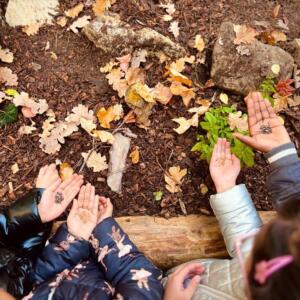
Questo progetto introduce un'iniziativa di riqualificazione urbana ed educativa per trasformare i cortili delle scuole in boschi nativi in miniatura (di circa 25 m² ciascuno). Guidato da architetti paesaggisti professionisti, il progetto si basa su lavori di preparazione del terreno manuali e a basso impatto, utilizzando la coltivazione profonda del suolo, la pacciamatura organica e consociazioni di piante strategiche per trattenere naturalmente l'acqua e migliorare la fertilità del suolo senza l'uso di macchinari pesanti. Per creare un legame reale tra i giovani e la natura, il bosco viene presentato agli studenti come una “nuova classe di compagni”, aiutandoli a rispettare gli alberi come esseri viventi piuttosto che come oggetti. Coinvolgendo studenti, insegnanti, gruppi di raccolta di semi ed esperti scientifici, il progetto utilizza la riqualificazione urbana come catalizzatore per l'impegno civico.
Obiettivi e Risultati del Progetto
- Boschi Nativi in Miniatura Creazione di aiuole modello di 25 m² in aree gioco scolastiche che replichino gli strati naturali della foresta utilizzando specie vegetali autoctone e bioindicatori.
- Rigenerazione del Suolo e Microclimi: Ripristino della fertilità del suolo, aumento dell'evapotraspirazione e miglioramento del microclima locale attraverso pacciamatura organica densa e substrati naturali.
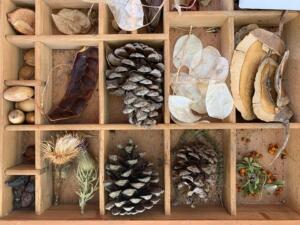
- Raccolta e conservazione dei semi: Raccolta e selezione di semi locali selvatici, in via di estinzione o rari per istituire piccole banche comunitarie di semi distribuite per la conservazione e lo scambio regionale.
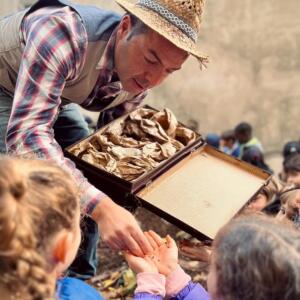
- Quattro lezioni stagionali: Programma educativo strutturato che copre pedagogia del seme, comportamento degli alberi, biodiversità e gestione forestale pratica nel corso dell'anno scolastico.
- Protezione e Monitoraggio Perimetrale: Impostare perimetri fisici per salvaguardare le parcelle dal taglio del prato comunale, conducendo al contempo monitoraggio della biodiversità e mappatura comunitaria dei nuovi habitat.
Impatto a lungo termine
Questo progetto lascia un'impronta ecologica e culturale permanente nelle comunità locali. Questi boschi in miniatura cresceranno in habitat autosufficienti che catturano continuamente carbonio, arricchiscono la biodiversità e mitigano gli impatti climatici locali anno dopo anno. La metodologia a basso costo e a basso impatto serve da modello altamente scalabile per il ripristino ecologico urbano che può essere facilmente replicato. In definitiva, fornendo formazione pratica sulla cura sostenibile del territorio, l'iniziativa promuove un senso di responsabilità condivisa per il pianeta, trasformando insegnanti, studenti e famiglie in custodi ambientali per tutta la vita.