Sovvenzioni
Biodiversità
Weaving Wetlands: Ancient Knowledge for Living Ecosystems
€ 10,400 awarded
Status: ongoing
Project duration: 03/2026 – 02/2028
Grantee: Amici del Padule di Fucecchio and Intrecci Onlus
In collaboration with: LIPU – Pistoia section
Location: Padule di Fucecchio (Pistoia and Florence)
The Challenge
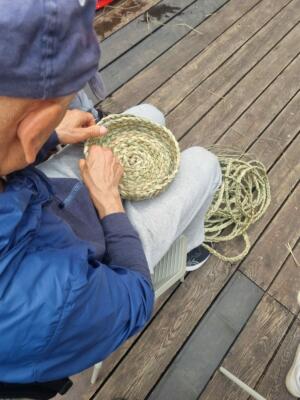
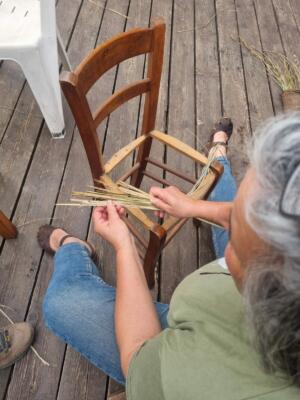
For centuries, the delicate wetlands of Padule di Fucecchio and Lago di Sibolla were naturally preserved through the traditional, sustainable harvesting and weaving of sedges (Carex elata and Carex riparia). The collapse of this local craft due to modern industrialization has led to a dual crisis: the ecological degradation of these critical bird and plant habitats due to lack of traditional management, and the imminent loss of generations of empirical environmental knowledge.
The Solution
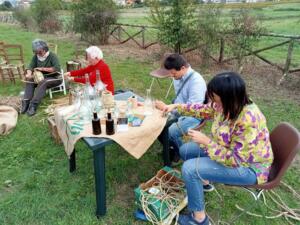
This project implements an innovative Nature-Based Solution by reviving the sustainable value chain of marsh plant harvesting. Earthbites APS and its partners transform historical cultural practices into active environmental management. Crucially, the project integrates social inclusion by involving people with disabilities and vulnerable individuals in the harvesting and weaving workshops, proving that habitat restoration and community resilience can go hand in hand.
Project Objectives & Deliverables
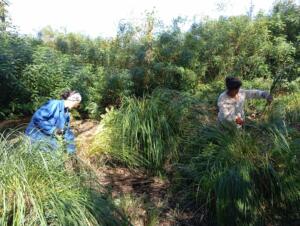
- 8 Sustainable Harvesting Sessions: Manual, controlled mowing of sedges across designated wetland areas to support habitat conservation.
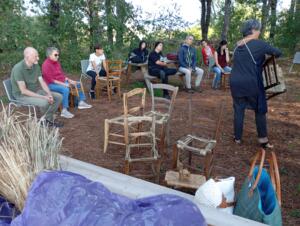
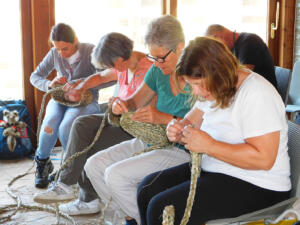
- 10 Marsh Plant Processing Workshops: Practical training led by elderly craftsmen to transfer ancient ecological and weaving knowledge to new generations.
- Social Value Chain: Active engagement, social inclusion, and skill-building for individuals with disabilities through the partner welfare network.
- 4 Ethnobotanical Guided Tours: Public excursions led by environmental guides to raise community awareness about wetland biodiversity.
- Storage & Preservation: Setting up a dedicated facility to store and naturally dry the harvested materials for year-round use.
Long-term Impact
By integrating cultural heritage with modern field conservation, this project establishes a replicable model for regional wetland management. The reduction of synthetic materials through the promotion of local, organic alternatives sits alongside a measurable improvement in the biodiversity health of the Padule di Fucecchio and Lake Sibolla. Ultimately, the project ensures that the traditional guardians of these waters leave a living, functional ecosystem to a fully engaged and inclusive community.