
Grants
Marine Conservation
S.T.A.R. – Sea Turtle Action & Research
€ 5,500 awarded
Status: ongoing
Project duration: 06/2026 – 05/2027
Grantee: TartAmare
Location: Marina di Grosseto (GR)
The challenge
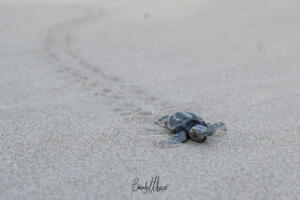
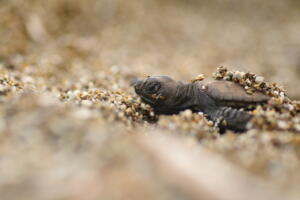
The increasing frequency of Caretta caretta nesting events along the Tuscan coast, particularly in areas under high tourist pressure, requires a strategic transition from emergency response to a technology-driven conservation framework. Intensive tourism, coastal infrastructure, and inadequate beach management practices disturb nesting events and reduce reproductive success, while fragmented data and limited coordination between stakeholders weaken conservation efforts. Operationally, the lack of specialized laboratory infrastructure for sample preservation and the need for upgraded recovery facilities limit the long-term impact of conservation efforts. Currently, tartAmare is equipped with only one fridge and one freezer, which does not allow the team to separate food for hospitalized turtles from sensitive biological and genetic samples.
The solution
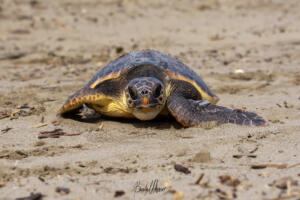
The S.T.A.R. project is an integrated citizen science and conservation initiative built on four pillars: action, communication, education, and participation. Recognizing that the expert multidisciplinary team (biologists, naturalists, drone operators, and coordinators) provides its professional services entirely as an in-kind contribution, 100% of the requested funding is strictly allocated to tangible equipment and infrastructure capitalization. The project addresses operational gaps by reinforcing TartAmare’s permanent capacity, moving away from seasonal service costs toward the acquisition of permanent technological assets. Following a “One Health” approach that integrates environmental, human, and social health, the initiative bridges the gap between field research and public policy, providing specialized technical tools to local authorities, beach operators, and fishers to foster shared responsibility.
Project Objectives & Deliverables
- Scientific Infrastructure for Sample Preservation: Procurement of a dedicated medical-grade scientific refrigerator and an ultra-low temperature freezer to separate biological matrices from organic supplies, ensuring the correct preservation of biological and genetic samples under authorized protocols for regional and national research bodies (University partners, ISPRA, ARPAT).
- Rehabilitation Infrastructure for Injured Sea Turtles: Installation of a dedicated rehabilitation tank equipped with a high-performance Life Support System (LSS) filtration and aeration circuit to improve animal welfare, optimize stabilization, and increase recovery rates for injured or stressed specimens admitted to the rescue center.
- Scientific Data Collection and Institutional Reporting: Systematic collection, validation, and transmission of standardized biological and environmental data during monitoring, rescue, and rehabilitation activities to regional and national databases, ensuring local actions contribute to broader research frameworks.
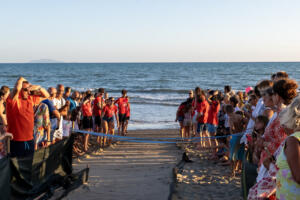
- Communication, Stakeholder Engagement, and Dissemination: Production and distribution of physical Technical Nesting Kits and standardized manuals to beach operators and municipalities to formalize and corporate good practices, alongside organizing a final dissemination event for institutional bodies, fishers, and coastal managers.
Long-term Impact
The project generates a lasting legacy for the Tuscan territory by transforming the grant entirely into permanent scientific and clinical assets. The medical-grade refrigeration units and the rehabilitation tank will remain fixed assets of tartAmare, supporting future genetic studies with university partners and wildlife care for years to come. By distributing physical kits and institutional reporting tools, the project standardizes long-term beach management and reduces operational friction with coastal stakeholders. Ultimately, this investment ensures tartAmare remains a permanent technical reference point, leveraging these new infrastructures to sustain future marine conservation activities through institutional agreements and shared public governance.