

Grants
Biodiversity
X-Polli:Nation
€ 8,000 awarded
Status: closed
Project duration: 04/2025 – 03/2026
Grantee: Silva Società Cooperativa
In collaboration with: Museum of Natural History of Maremma, the Botanical Gardens of Siena, the Universities of Siena, Florence, and Pisa, and MuSe – the Science Museum of Trento
Location: Tuscany
The challenge
Pollinators are vital for maintaining global biodiversity and ensuring agricultural productivity. However, their populations face severe threats from human-induced habitat loss, urbanization, and climate change. In Tuscany and across other Italian regions, there is a critical shortage of comprehensive data regarding the exact distribution and abundance of different macrogroups of pollinating insects. Without detailed scientific monitoring and active habitat restoration, it is impossible to implement effective conservation measures, leaving vital local food systems and wild flora highly vulnerable.
The solution
This project implements a participatory, grassroots approach to ecological monitoring by deploying Citizen Science methodologies to bridge the gap between scientists and the public. Led by Silva Società Cooperativa and its academic network, the initiative channels the effort of schools, local residents, and stakeholders to transform urban and rural green areas into pollinator-friendly habitats through targeted planting of native flowers and vegetables. By engaging families and communities directly in the tracking process, the project converts empirical citizen observations into valuable scientific data while building a collective, long-term commitment to pollinator conservation.
Project Objectives & Deliverables
-
Direct Habitat Intervention: Actively restoring and regenerating urban green spaces using local, native plant species to provide functional, pesticide-free sanctuaries for pollinators.
-
Community & School Engagement: Actively involving children, young people, and families through educational campaigns to cultivate a participatory sense of environmental stewardship.
-
Citizen Science Surveys: Conducting scientific monitoring and tracking of native pollinator populations by training citizens to execute standardized biodiversity counts.
-
Awareness Campaigns: Driving a comprehensive digital and field communication campaign, leveraging dedicated media channels and community hubs to increase global awareness of human impacts on flora and fauna.
-
Stakeholder & Public Collaboration: Facilitating collective action by engaging local residents, landowners, farmers, and public administrations to support sustainable practices and improve land management for pollinators.
Project Updates
Public Events & Media Outreach
-
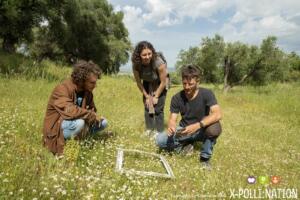
Field Surveys & Public Events: Conducted major public events at Maremma Park (25 participants, including the local Councilor and Park President) and the Florence Botanical Garden (40 participants), alongside a large-scale field monitoring day at Parco del Diversivo with 44 students and 8 adults.
-
Nature Excursions & Media: Organized 3 specialized “Le Notti della Natura” night excursions with naturalist Giacomo Radi for 105 people and promoted the project’s goals via a regional TV interview on TV9 (#221).
- On-the-Go Park Engagement: Integrated the project into Maremma Park guided tours, directly introducing the monitoring network to an estimated 500–600 students and adults.
School & Educational Laboratories
-
School Workshops: Successfully reached over 400 students in Tuscany. Key activities included dedicated primary school laboratories in Orbetello (55 students) and Albinia (50 students), classroom sessions at IC Orsini in Castiglione della Pescaia (50 students) and a private school (25 students), an interactive session for 45 students, a technical seminar with Faremo Foresta at the Agricultural Institute (60 students), and ongoing year-round labs hosted by the MuSe Museum in Trento (75 students).
Stakeholder & Institutional Engagement
-
Local Administration & Business Collaboration: Partnered with the Municipality of Cinigiano to host a sustainability workshop for 15 local agritourisms and delivered a training seminar for 8 local school teachers. Additionally, held strategic meetings with the Municipality of Grosseto to establish and manage urban green zones with reduced mowing frequencies to protect insect habitats.
Long term impact
By facilitating the cross-pollination of tools among the public, scientists, educators, and public administrations, this project establishes a scalable framework for national pollinator monitoring. The behavior shifts triggered within schools and local networks ensure that urban and rural spaces continue to be sustainably managed long after the formal funding period ends. Ultimately, the project secures a living network of interconnected habitats across Tuscany, safeguarding the vital insect populations that underpin our ecosystem health and agricultural resilience.